Raja Ampat
Liveaboard
Raja Ampat Liveaboard: Experience the World's Most Biodiverse Marine Ecosystem
Embark on a Raja Ampat liveaboard adventure and discover why this Indonesian archipelago is considered the pinnacle of scuba diving destinations worldwide. Located in West Papua's Coral Triangle, Raja Ampat liveaboards offer unparalleled access to over 1,500 islands, 600+ coral species, and the highest concentration of marine biodiversity on Earth.
Why Choose a Raja Ampat Liveaboard?
Access Remote Dive Sites Unreachable by Day Boats
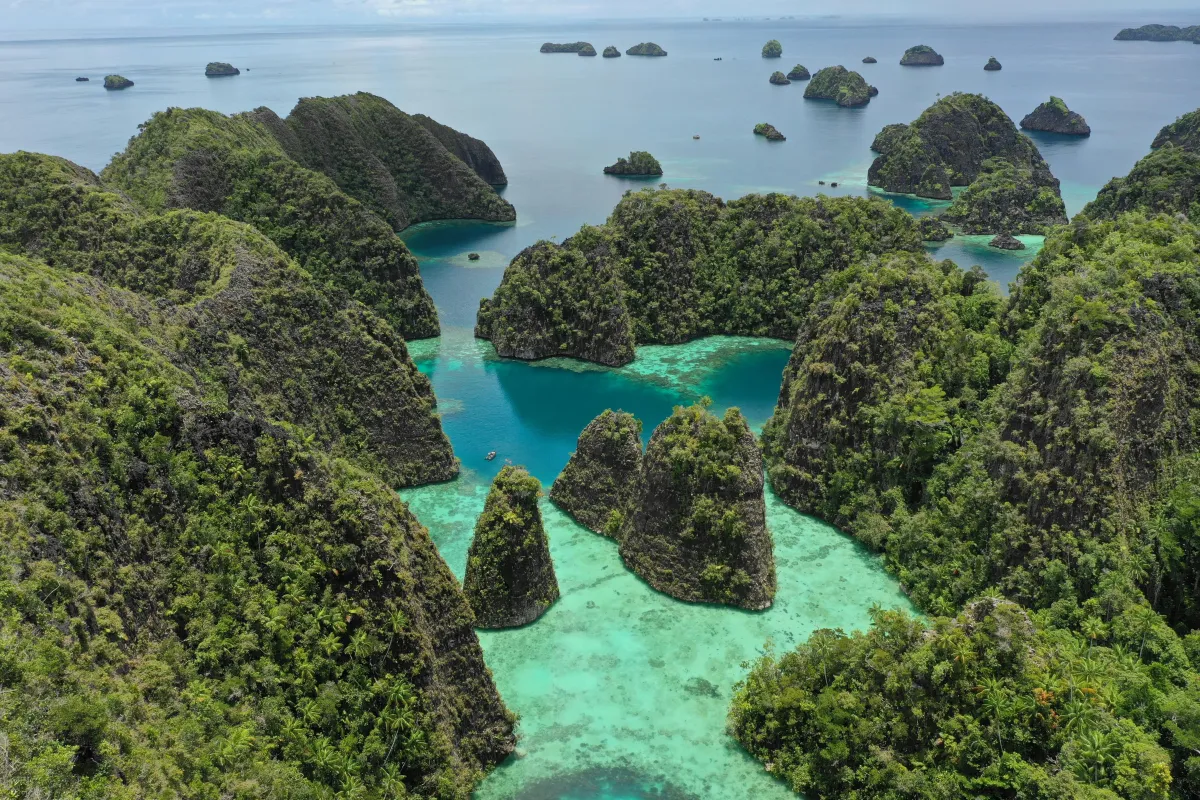
Raja Ampat's premier dive sites like Cape Kri, Blue Magic, Manta Sandy, and Boo Windows are scattered across vast distances between the four main islands of Misool, Batanta, Waigeo, and Salawati. A liveaboard diving experience is the only practical way to explore these remote locations, allowing you to wake up already anchored at world-class dive sites instead of spending hours in transit.
Maximize Your Diving Time in Raja Ampat
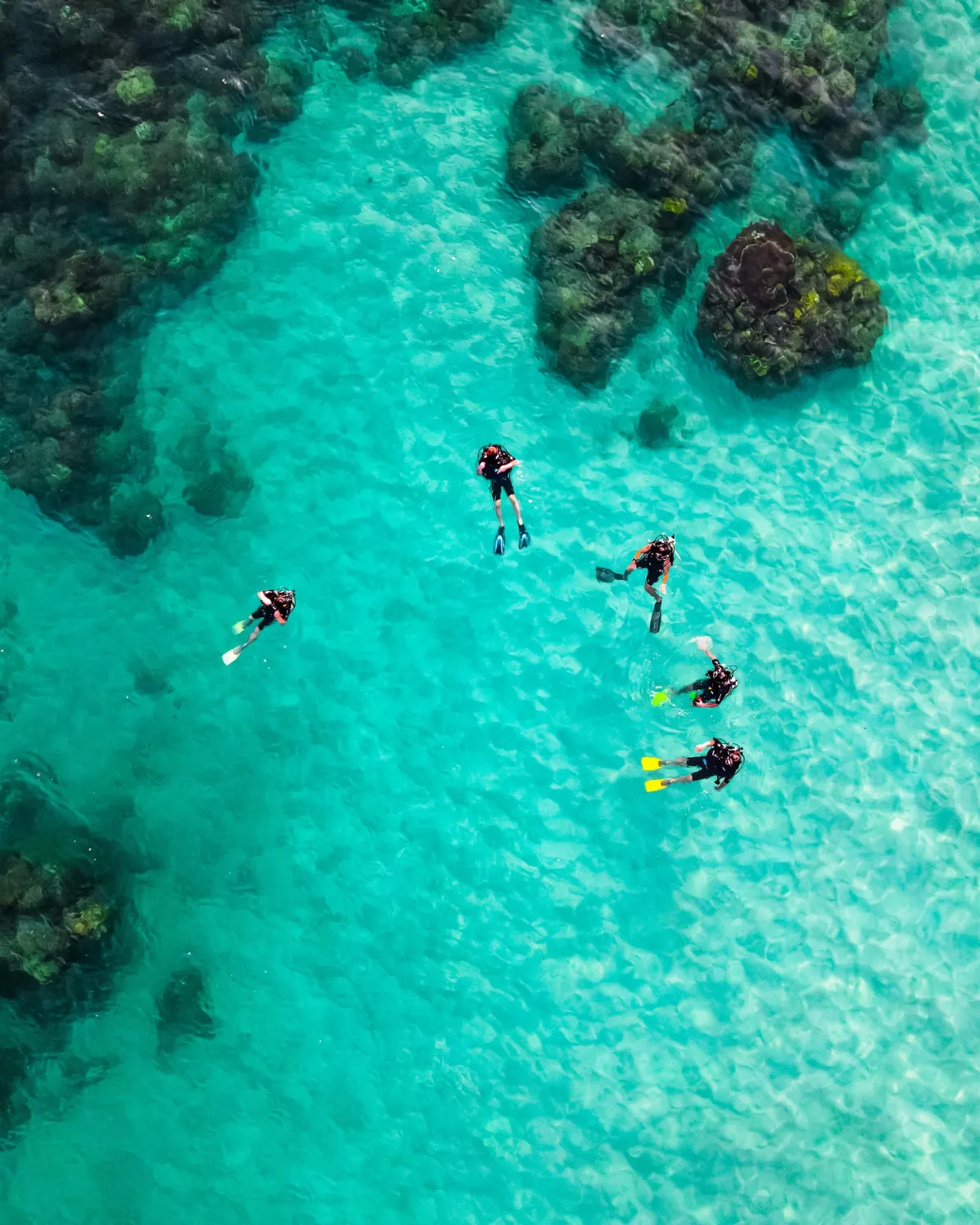
Most Raja Ampat liveaboards offer 3-4 dives per day, including spectacular night dives, giving you up to 22 dives on a 7-night trip or 33 dives on a 10-night expedition. Compare this to resort-based diving, where travel time significantly limits your underwater experiences.
Experience the Full Diversity of Raja Ampat
From the kaleidoscope reefs of Misool Island to the manta ray cleaning stations at Manta Ridge, from the sheltered bays of Fam Island to the pristine coral gardens of Wayag, only a liveaboard itinerary can showcase the complete spectrum of Raja Ampat's underwater wonders.
Best Time for Raja Ampat Liveaboard Diving
October to April: Peak Diving Season
The optimal time for Raja Ampat liveaboard trips runs from October through April, offering:
Calmer seas and smooth sailing conditions
Excellent visibility averaging 25-30 meters (80-100 feet)
Less rainfall than monsoon months
Access to all dive regions including South Misool
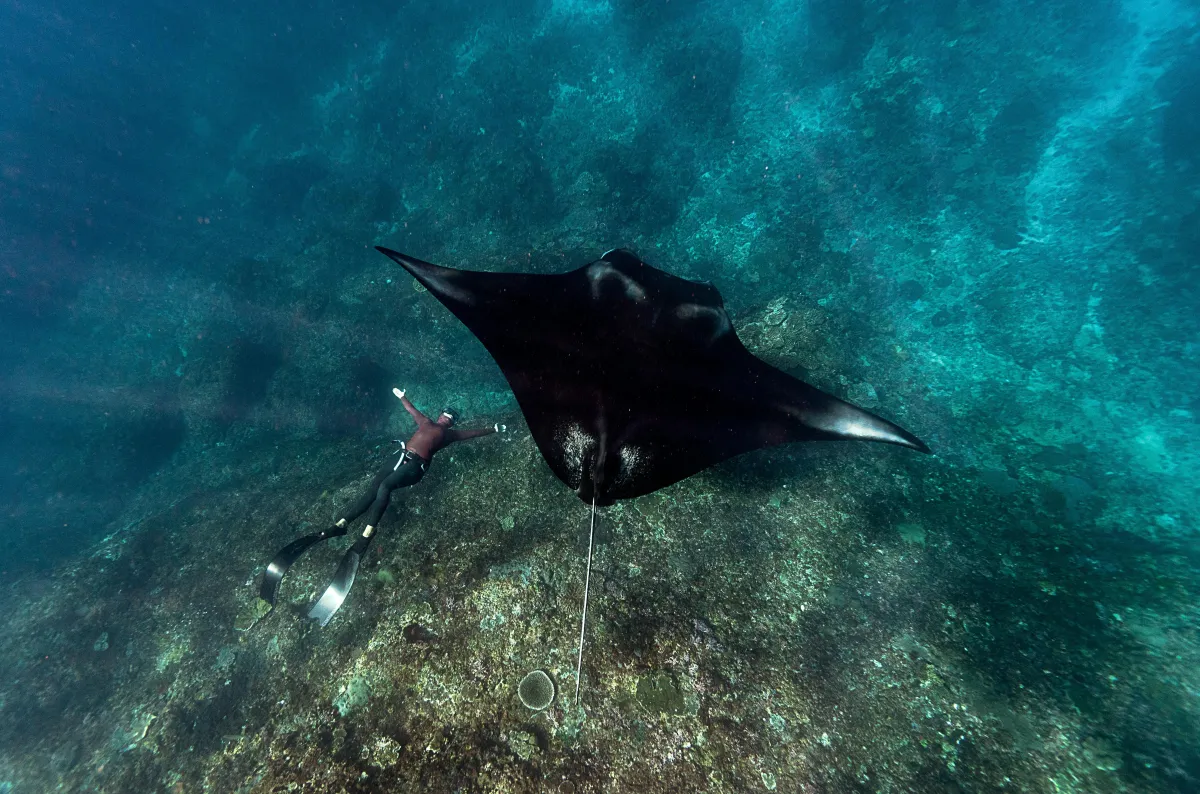
Peak manta ray season with the highest encounter rates
Water temperatures ranging from 27-30°C (81-86°F)
May to September: Monsoon Considerations
While some liveaboards operate year-round in northern Raja Ampat, July through September brings stronger winds and rougher seas, making southern areas like Misool less accessible. Many vessels relocate to sheltered Cenderawasih Bay during this period, famous for guaranteed whale shark encounters.
Raja Ampat Marine Life: What You'll See on Your Liveaboard
Recorded Species Diversity
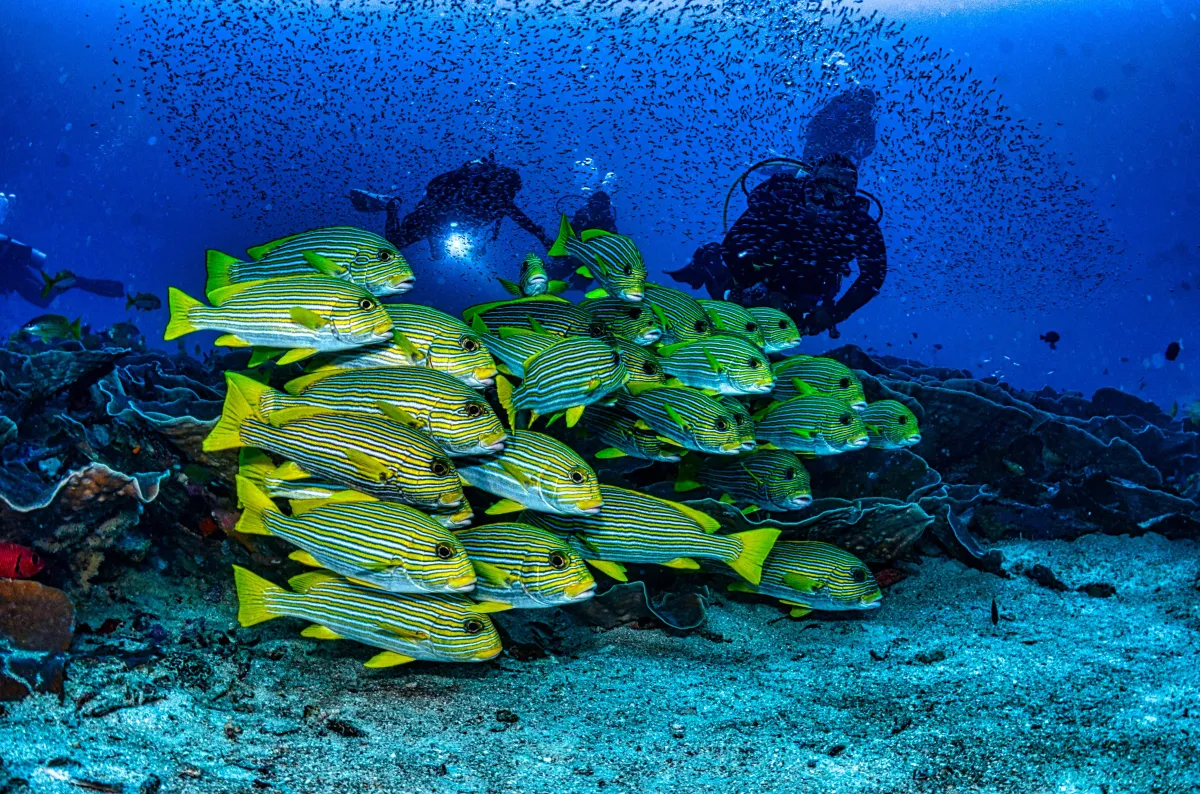
1,500+ fish species - more than anywhere else on a single dive
600+ coral species - 75% of the world's known coral types
700 mollusk species including rare nudibranchs and colorful sea slugs
300 fish species observed on single dives at sites like Cape Kri
Signature Raja Ampat Encounters
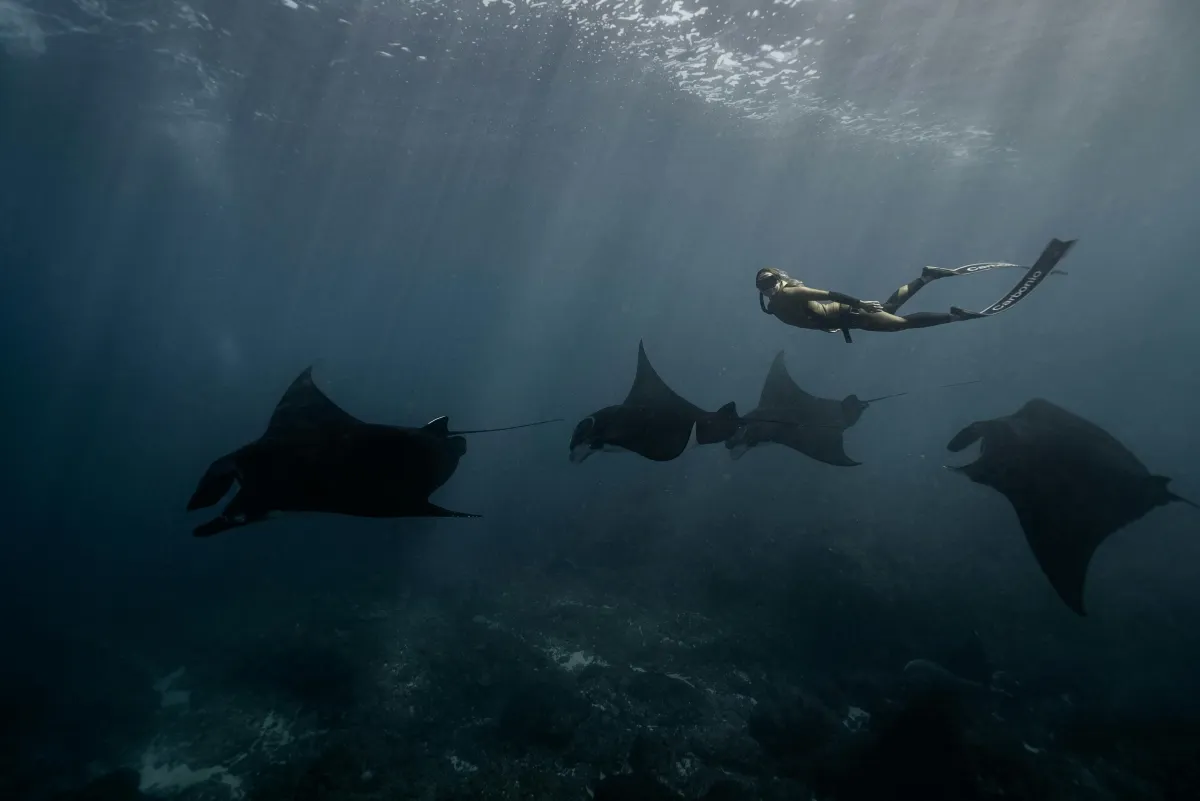
Manta Rays: Visit legendary cleaning stations where 10-25 mantas queue for grooming, with individual wingspans reaching 7 meters (23 feet)
Wobbegong Sharks: Spot these rare carpet sharks, unique bottom-dwellers perfect for underwater photography
Pygmy Seahorses: Discover these tiny camouflaged creatures hiding in soft corals throughout Misool's macro sites
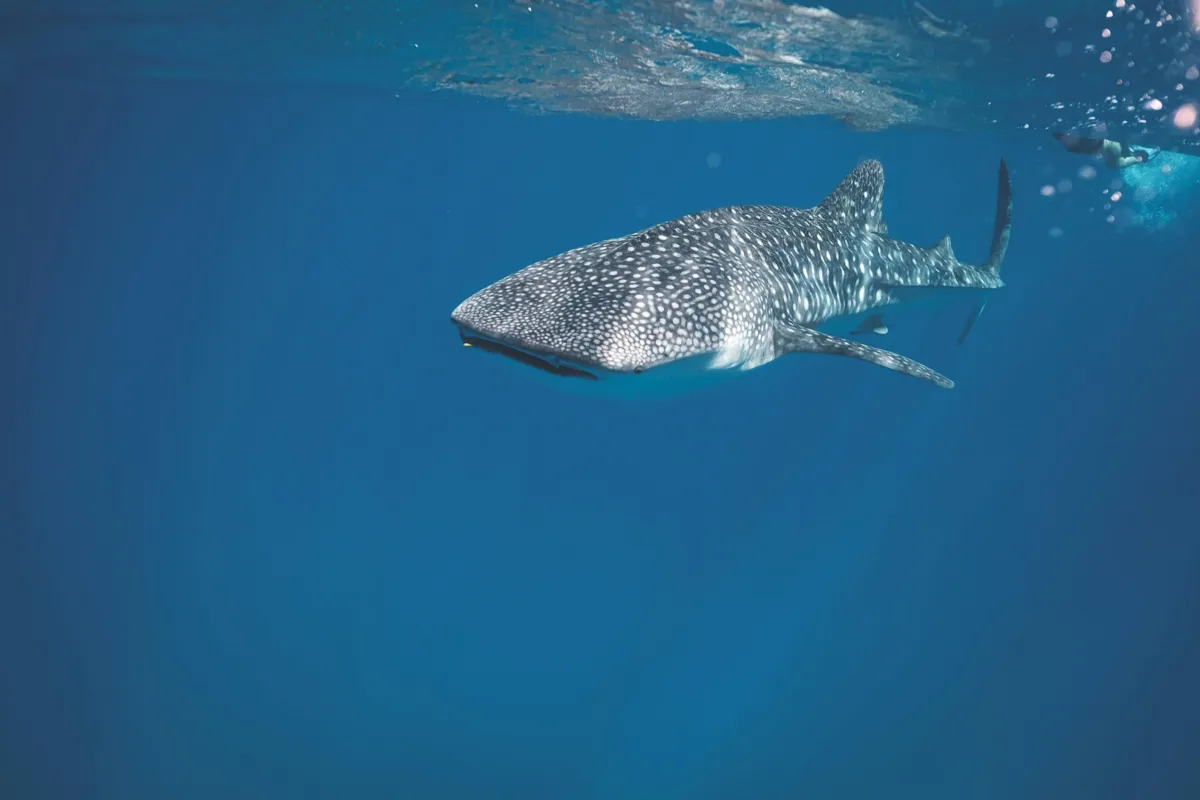
Whale Sharks: Encounter gentle giants in Cenderawasih Bay during alternative season itineraries
Reef Sharks: White-tip, black-tip, and rare epaulette sharks patrol the reefs
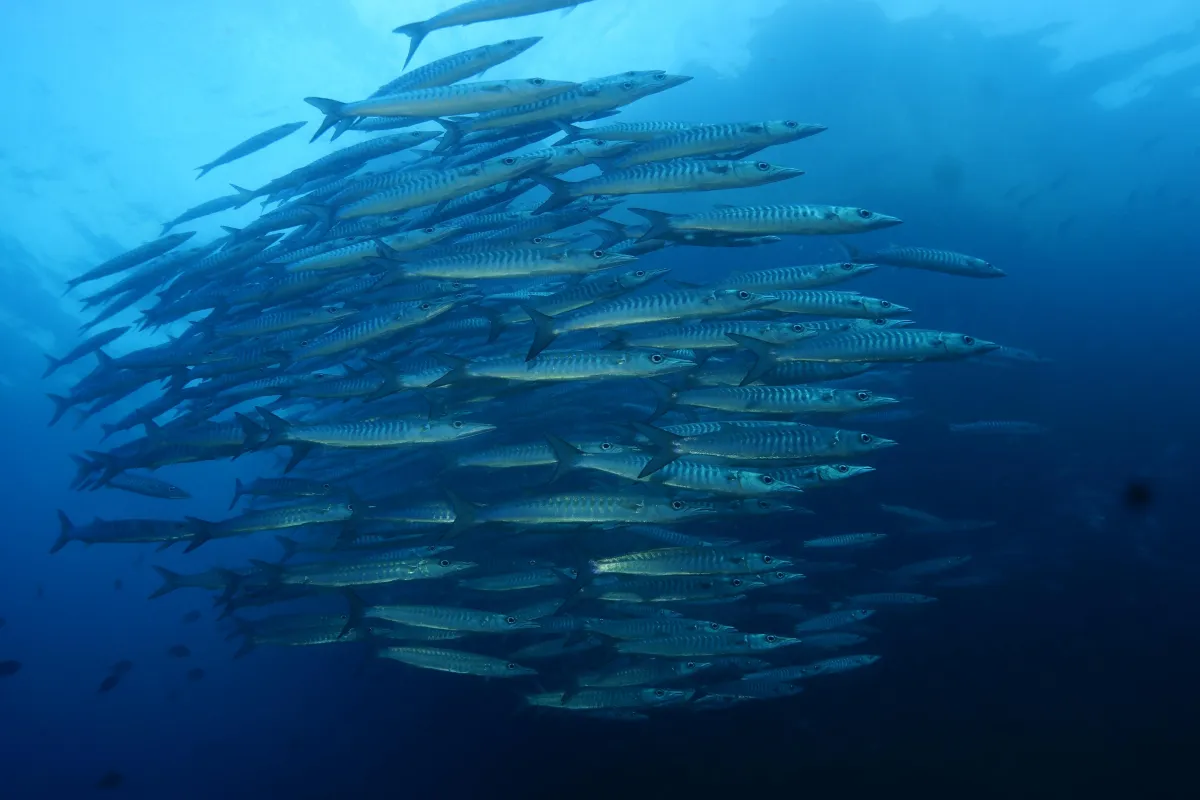
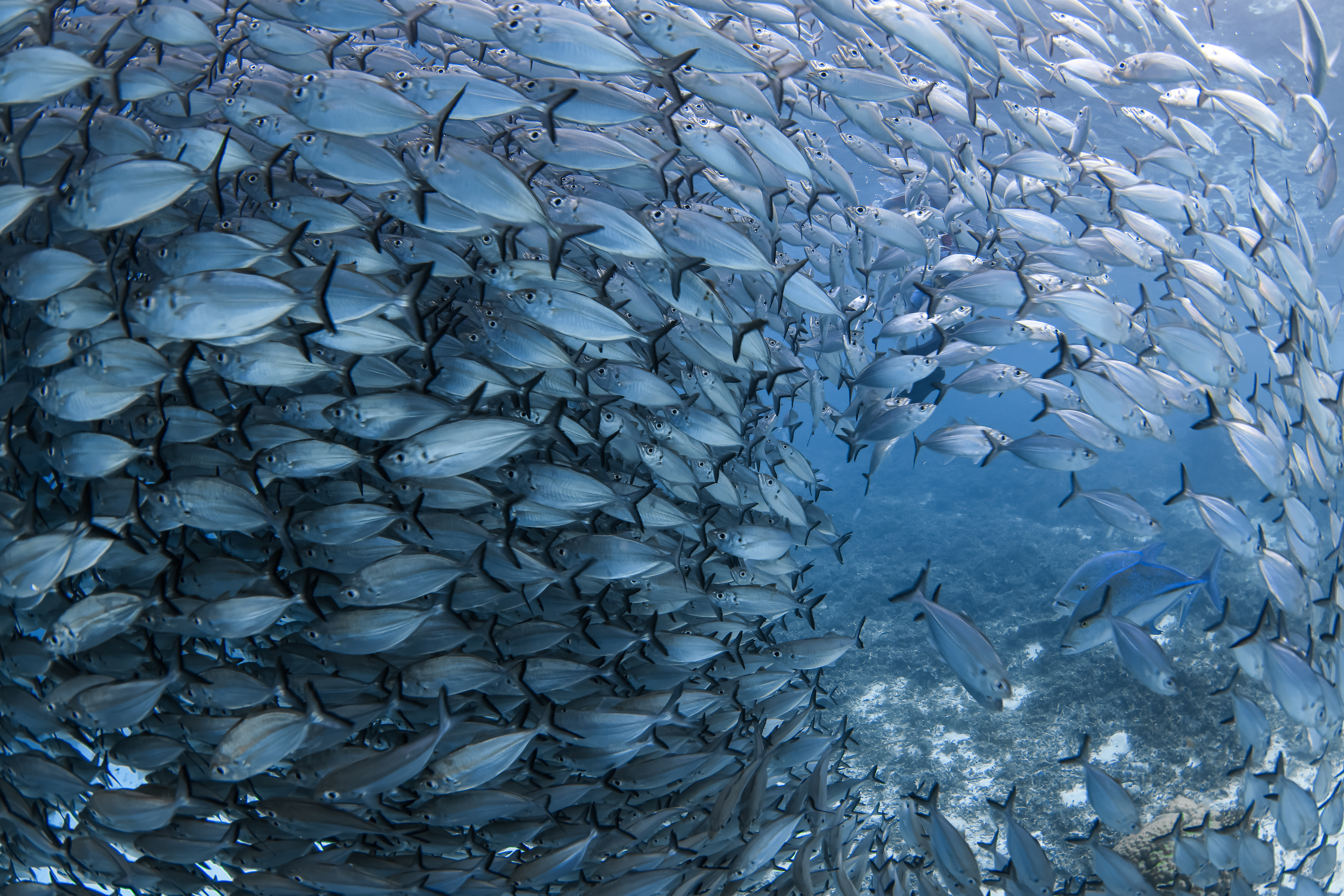
Schools of Fish: Witness dense congregations of barracudas, trevallies, fusiliers, and anthias creating underwater spectacles
Macro Life: Find ghost pipefish, bobtail squid, ornate ghost pipefish, and rainbow nudibranchs
Experience the Full Diversity of Raja Ampat
From the kaleidoscope reefs of Misool Island to the manta ray cleaning stations at Manta Ridge, from the sheltered bays of Fam Island to the pristine coral gardens of Wayag, only a liveaboard itinerary can showcase the complete spectrum of Raja Ampat's underwater wonders.
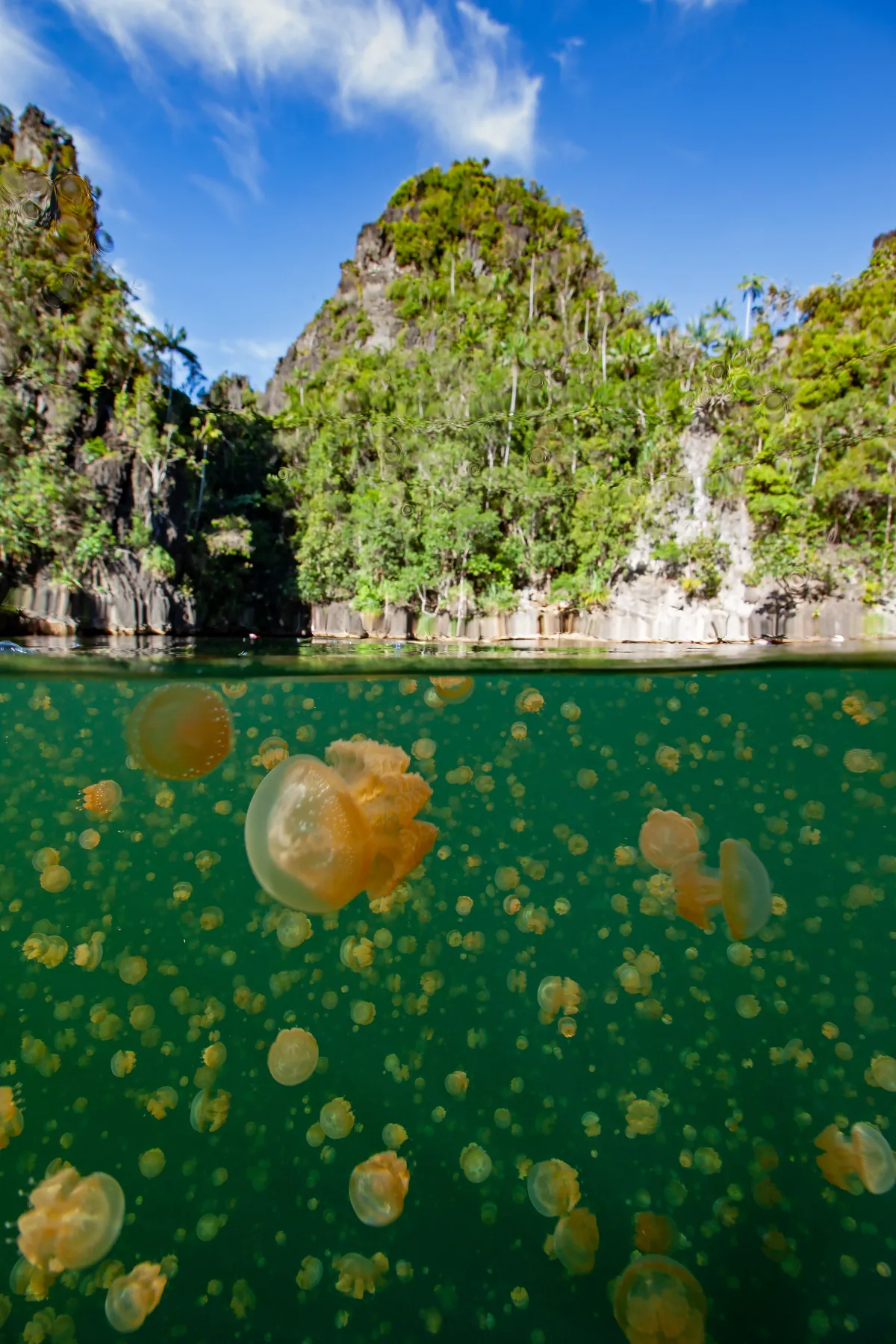
Top Raja Ampat Dive Sites Accessible by Liveaboard
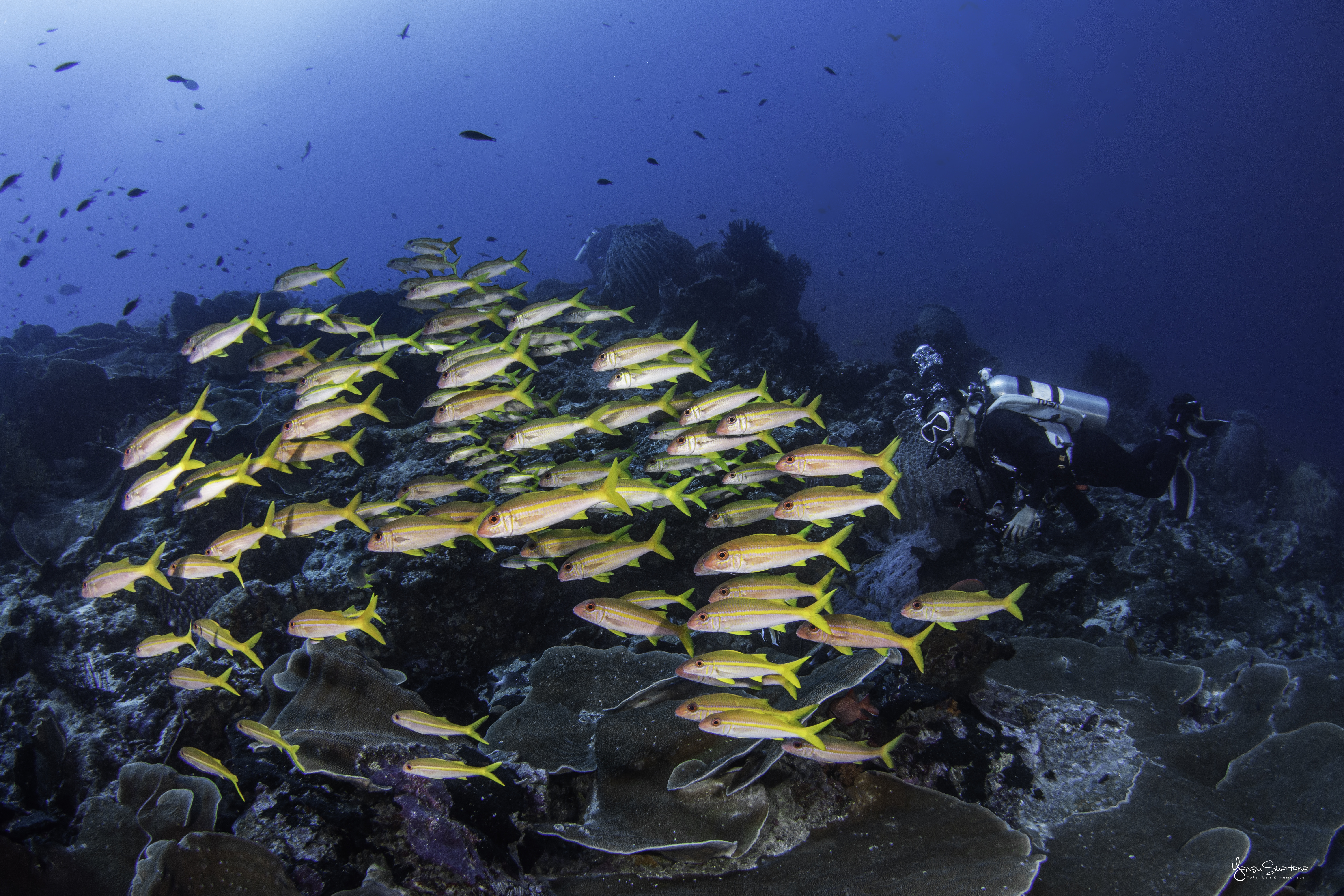
Cape Kri - World Record Biodiversity
Famous for holding the single-dive species count record with 374 fish species observed in one 90-minute dive. Strong currents bring nutrient-rich waters supporting dense schools of trevallies, batfish, and snappers.
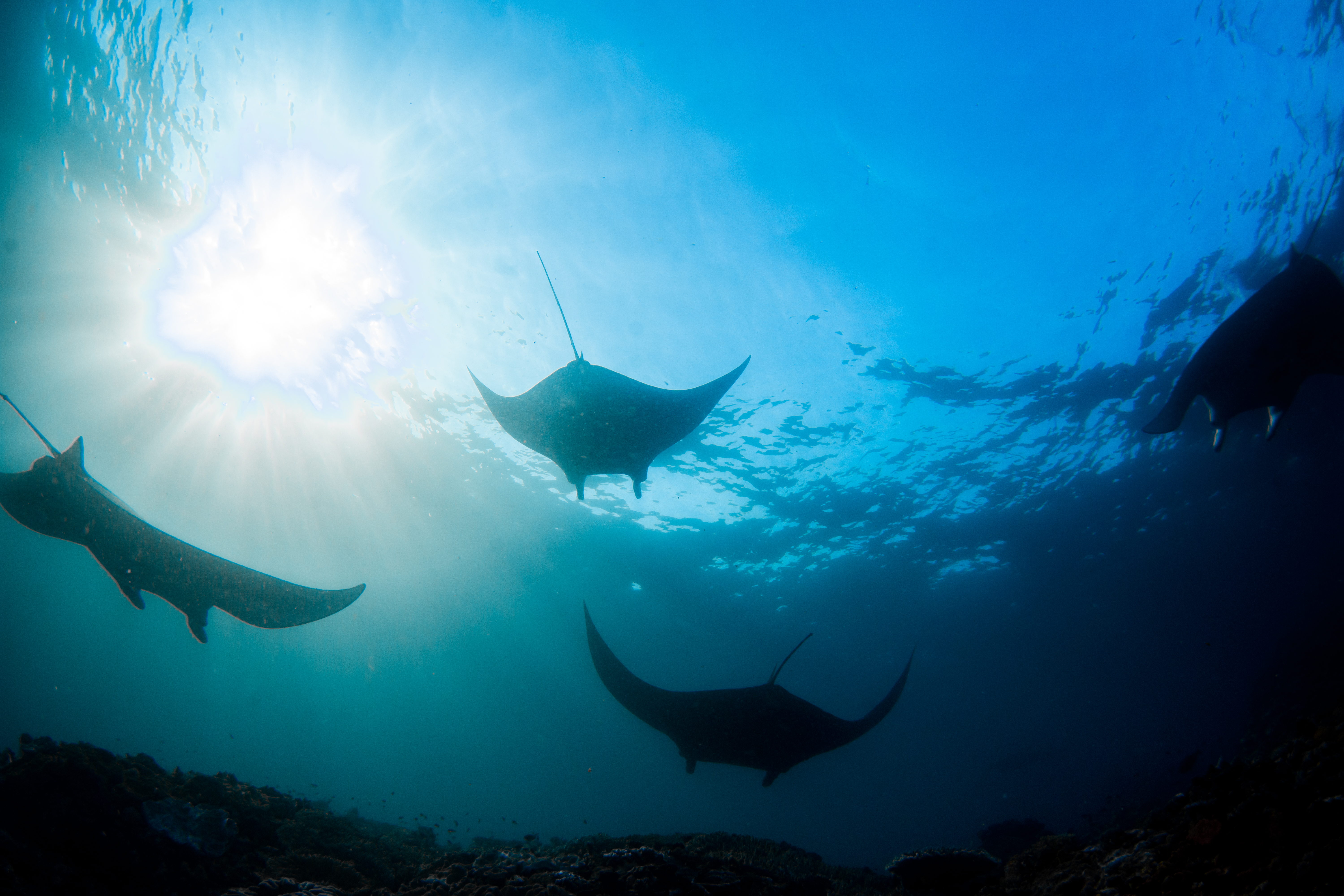
Manta Sandy & Manta Ridge - Manta Cleaning Stations
Experience up to 25 manta rays at dedicated cleaning stations, circling gracefully as cleaner wrasse remove parasites. These sites offer the most reliable manta encounters in Raja Ampat.
Blue Magic - Big Pelagic Action
A submerged seamount attracting schools of trevallies, barracudas, and sharks. Drift diving in strong currents brings encounters with larger species including occasional whale sharks.
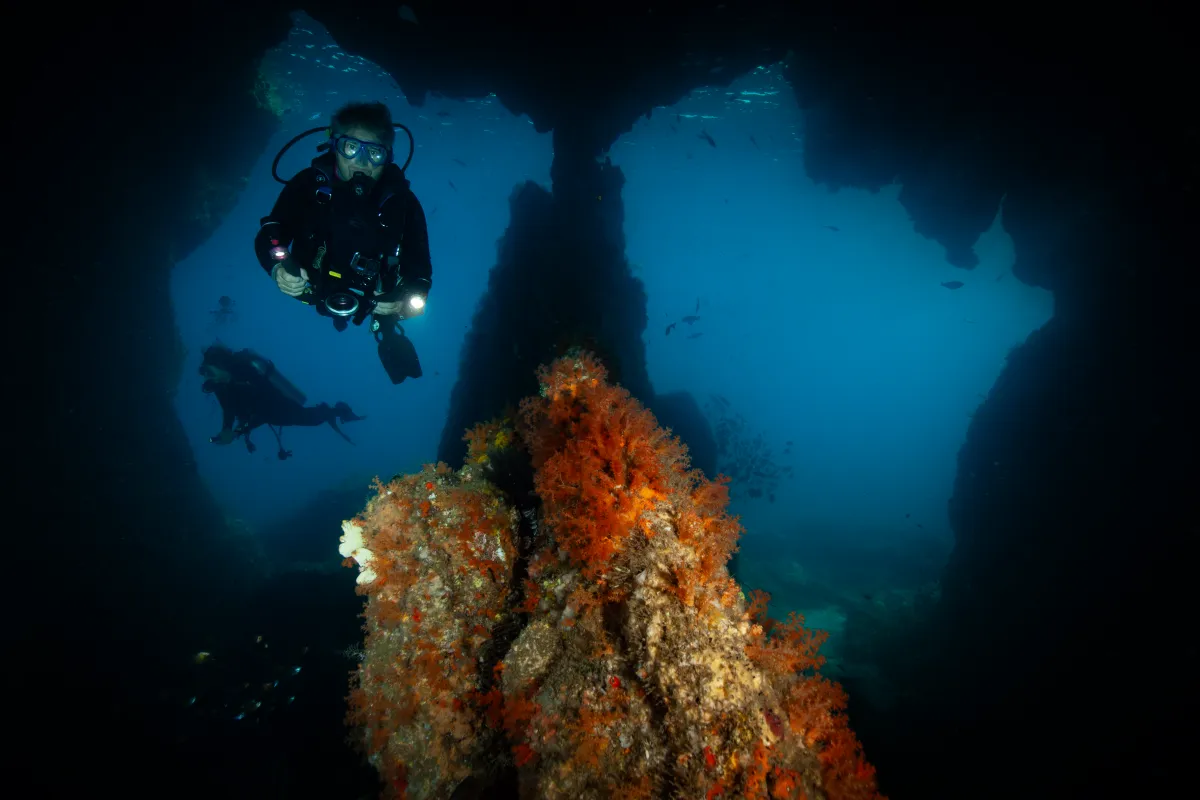
Boo Windows - Misool's Signature Site
Two massive openings in a coral wall create "windows" illuminated by sunlight, with constant streams of fish and frequent manta flyovers. Often cited as divers' favorite Raja Ampat site.
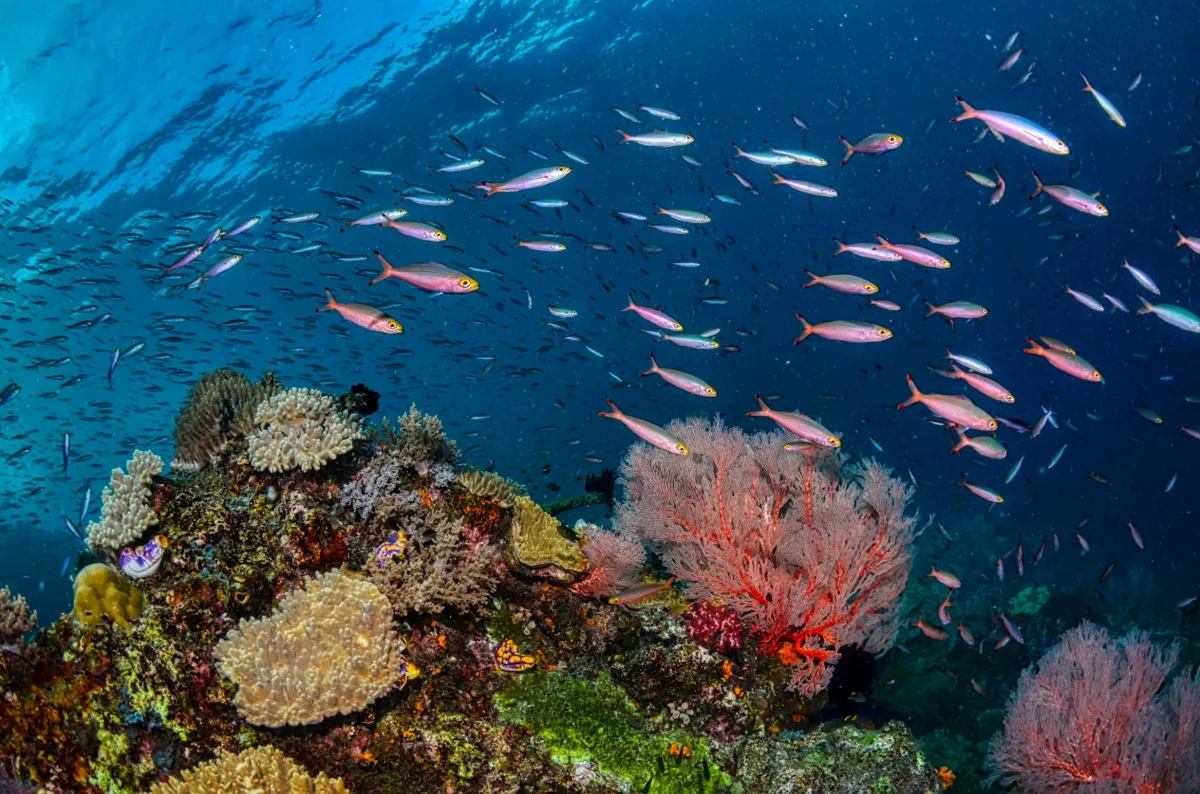
Melissa's Garden - Hard Coral Paradise
Pristine hard coral formations in shallow waters with exceptional color and diversity, perfect for photographers and snorkelers.
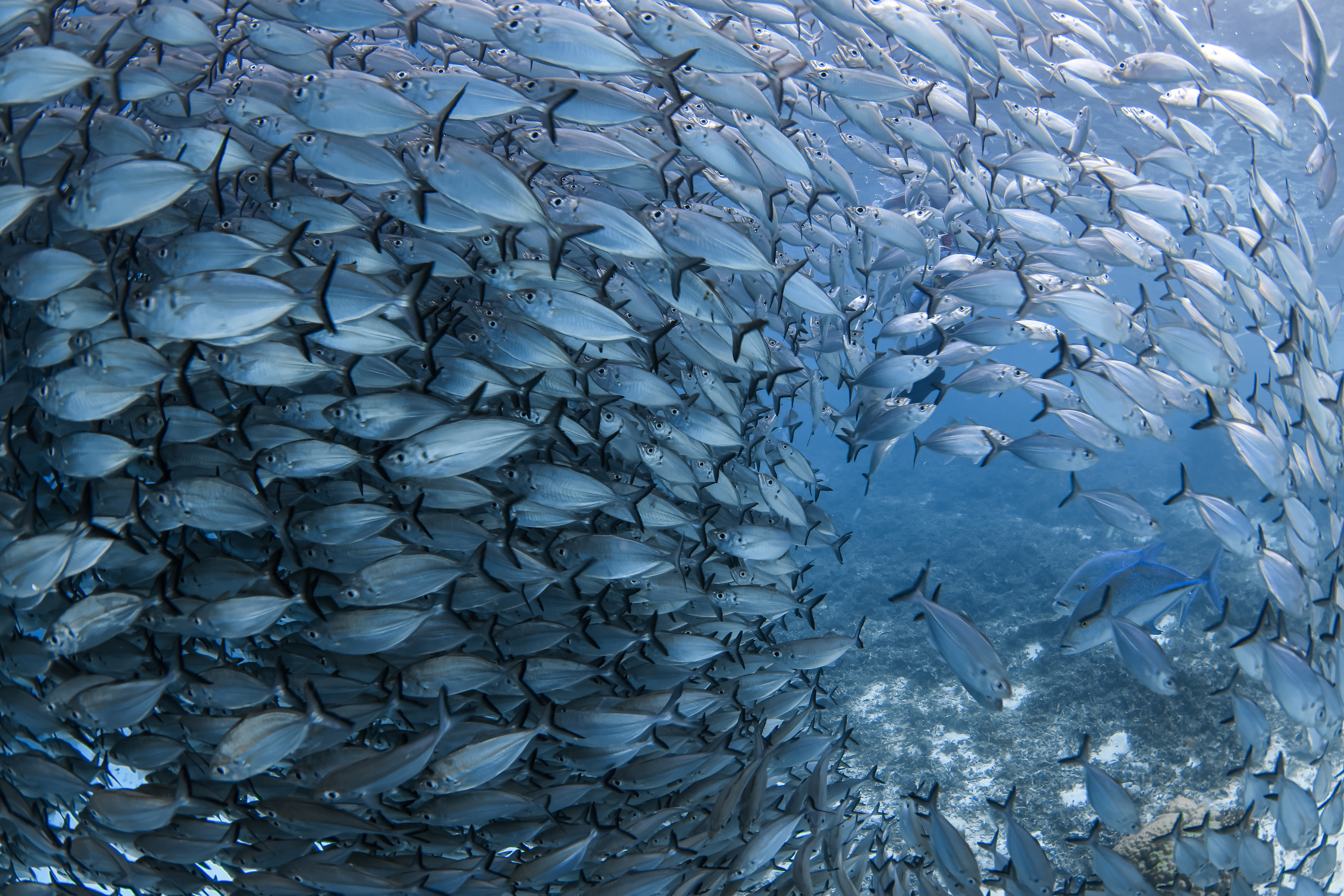
Sardine Reef - Fish Tornado Experience
Named for the massive baitball formations that create swirling "tornadoes" of sardines, attracting predatory trevallies and creating dynamic diving.
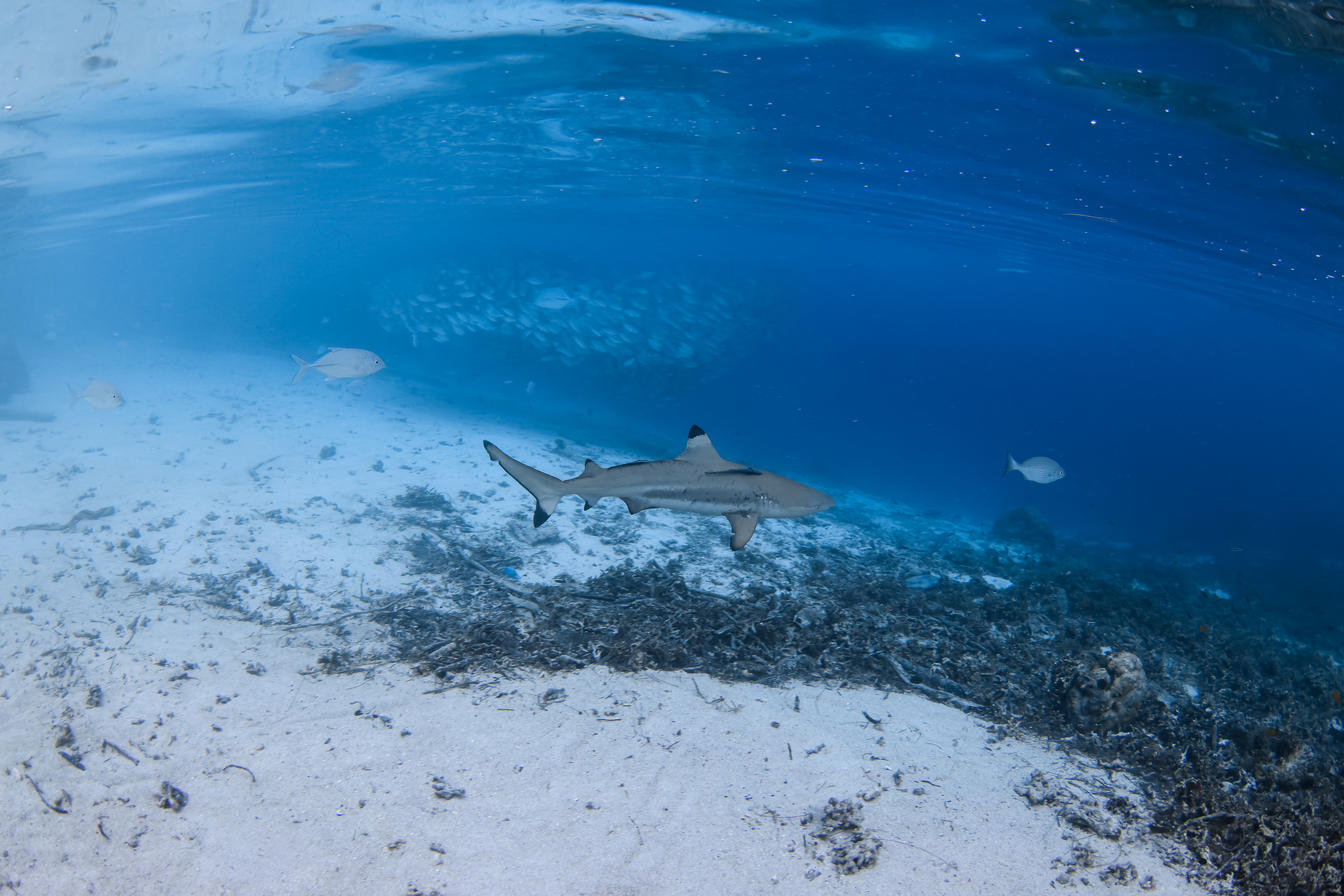
Magic Mountain - Complete Marine Showcase
Pinnacle dive site featuring manta rays, reef sharks, dense schools of anthias and fusiliers, and healthy coral coverage on all sides.
Types of Raja Ampat Liveaboards
Traditional Indonesian Phinisi Boats
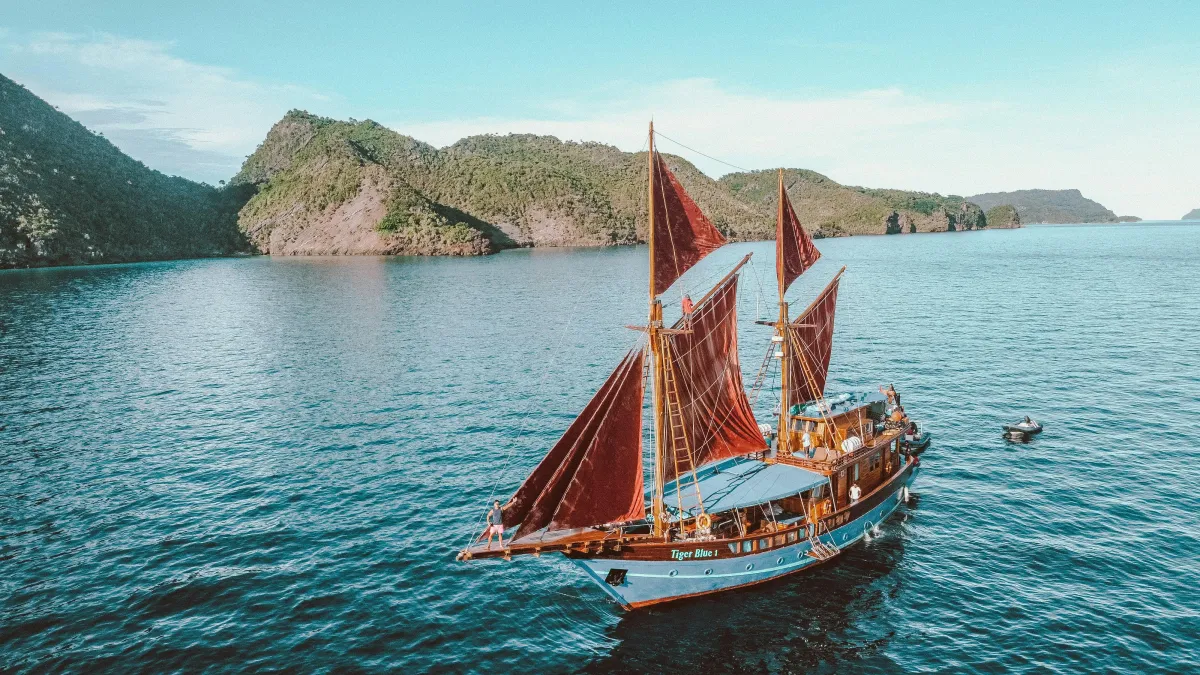
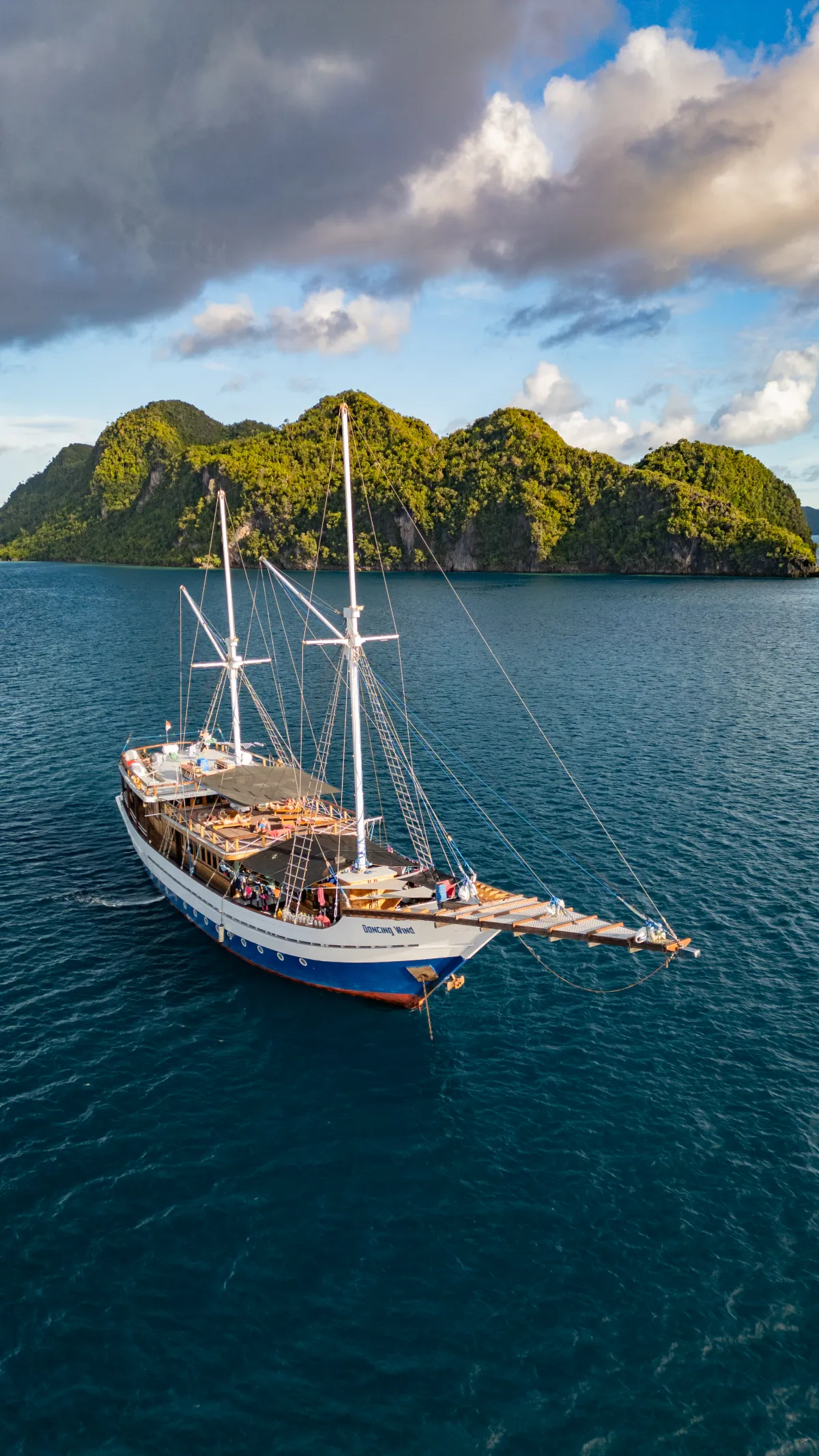
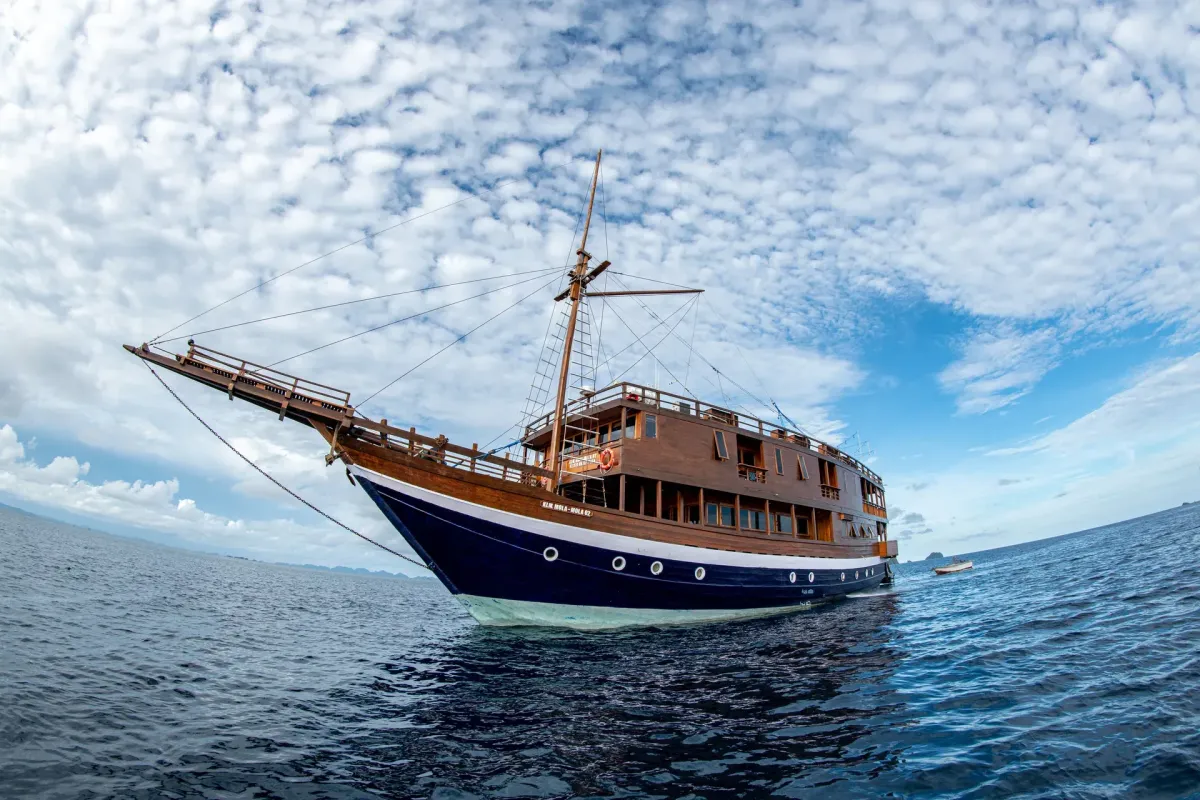
Hand-crafted wooden sailing vessels offering authentic Indonesian character combined with modern amenities including air-conditioning, hot water, and comfortable cabins. Phinisi liveaboards range from budget-friendly options to luxury vessels.
Modern Motor Yachts
Steel-hulled vessels providing enhanced stability for those prone to seasickness, with advanced navigation equipment and spacious deck areas. Popular options include the Raja Ampat Aggressor and MV Black Manta.
Luxury Liveaboards
High-end vessels featuring spacious suites, gourmet dining, professional photography facilities, and premium dive equipment with dedicated guides and small group sizes.
Budget-Friendly Dive Safaris
Affordable options maintaining safety standards and comfort while keeping costs accessible, typically offering shared accommodations and essential amenities.
Raja Ampat Liveaboard Costs & What's Included
Price Ranges
Budget liveaboards: $1,500-$2,500 USD for 7 nights
Mid-range options: $2,500-$4,000 USD for 7 nights
Luxury vessels: $4,000-$6,000+ USD for 7 nights
Typical Inclusions
All meals and snacks throughout the cruise
3-4 dives per day including night dives
Experienced dive guides (typically 4 divers per guide)
Tanks, weights, and basic dive equipment
Transfers from Sorong port/airport
Kayaks, paddleboards, and other water toys
Marine park entry permits
Additional Costs to Budget
Nitrox (when available): $5-15 per day
Dive equipment rental (if needed)
Alcoholic beverages
Dive insurance (mandatory)
Tips for crew and guides (customary 5-10% of trip cost)
Experience Level Requirements for Raja Ampat Liveaboards
Raja Ampat features variable conditions including strong and sometimes unpredictable currents. Most liveaboards require:
Minimum certification: Advanced Open Water with 20+ logged dives, OR Open Water with 40+ logged dives
Recent diving: Active diving within the past five years recommended
Current skills: Comfortable with drift diving, deeper profiles, and varied conditions
Not every site features challenging conditions. Experienced guides assess currents before dives and select appropriate sites matching guest experience levels, ensuring a safe and enjoyable experience for all participants.
Getting to Your Raja Ampat Liveaboard
Travel Logistics
Departure Point: Most Raja Ampat liveaboards depart from Sorong, the gateway city in West Papua.
Flight Connections:
International flights connect through Jakarta or Makassar
Domestic flights from Jakarta to Sorong take approximately 4-5 hours
Plan to arrive in Sorong at least one day before your liveaboard departure
Transfer to Boat: Liveaboard operators typically provide transfers from Sorong airport or hotels directly to the vessel, included in your package.
What to Pack for Your Raja Ampat Liveaboard
Essential Diving Gear
Dive computer and backup
Reef-safe sunscreen (coral-friendly only)
Surface marker buoy (SMB) and whistle
Dive torch for night dives
Reef hook for current diving
GoPro or underwater camera with extra batteries
3mm wetsuit (water stays warm but provides protection)
Topside Essentials
Cash (limited ATM access in Raja Ampat)
Seasickness medication
Sun protection (hat, sunglasses, rash guard)
Quick-dry clothing
Marine park entry permit (purchased on arrival)
Dive insurance documentation
Copy of dive certification
Non-Diving Partners & Snorkeling on Raja Ampat Liveaboards
Many Raja Ampat liveaboards welcome non-divers and snorkelers, offering:
Exceptional snorkeling opportunities at shallow reef sites
Kayaking and stand-up paddleboarding
Island exploration and beach visits
Wildlife watching (birds of paradise, coconut crabs)
Scenic photography from deck and tender boats
Village visits and cultural experiences
Discuss non-diving options when booking to ensure the itinerary accommodates mixed groups.
Environmental Conservation on Raja Ampat Liveaboards
Raja Ampat's marine protected area status requires all visitors to follow strict conservation guidelines:
No touching, standing on, or collecting coral
Maintain proper buoyancy to avoid reef damage
Use only reef-safe, biodegradable sunscreen
No feeding or harassing marine life
Proper disposal of all waste (nothing overboard)
Respect marine park regulations and protected zones
Many liveaboards participate in reef monitoring programs and support local conservation initiatives. Your marine park fees directly fund protection efforts.
Choosing the Right Raja Ampat Liveaboard for You
Consider These Factors
Trip Duration: Liveaboards range from 5-night introductions to 12-night comprehensive expeditions. Longer trips reach more remote sites and provide better value per dive.
Cabin Type: Options include budget shared cabins, standard private cabins with shared bathrooms, and luxury suites with ensuite facilities.
Boat Style: Decide between traditional phinisi character or modern yacht comfort and stability.
Group Size: Smaller vessels (6-12 guests) offer more personalized service; larger boats (16-22 guests) provide social atmosphere.
Itinerary Focus: Some trips emphasize wide-angle photography and big animal encounters, while others cater to macro enthusiasts.
Amenities: Consider importance of nitrox availability, camera facilities, dive deck space, and charging stations.
Combining Raja Ampat with Other Indonesian Destinations
Many liveaboards offer combined itineraries or seasonal relocations:
Banda Sea & Raja Ampat
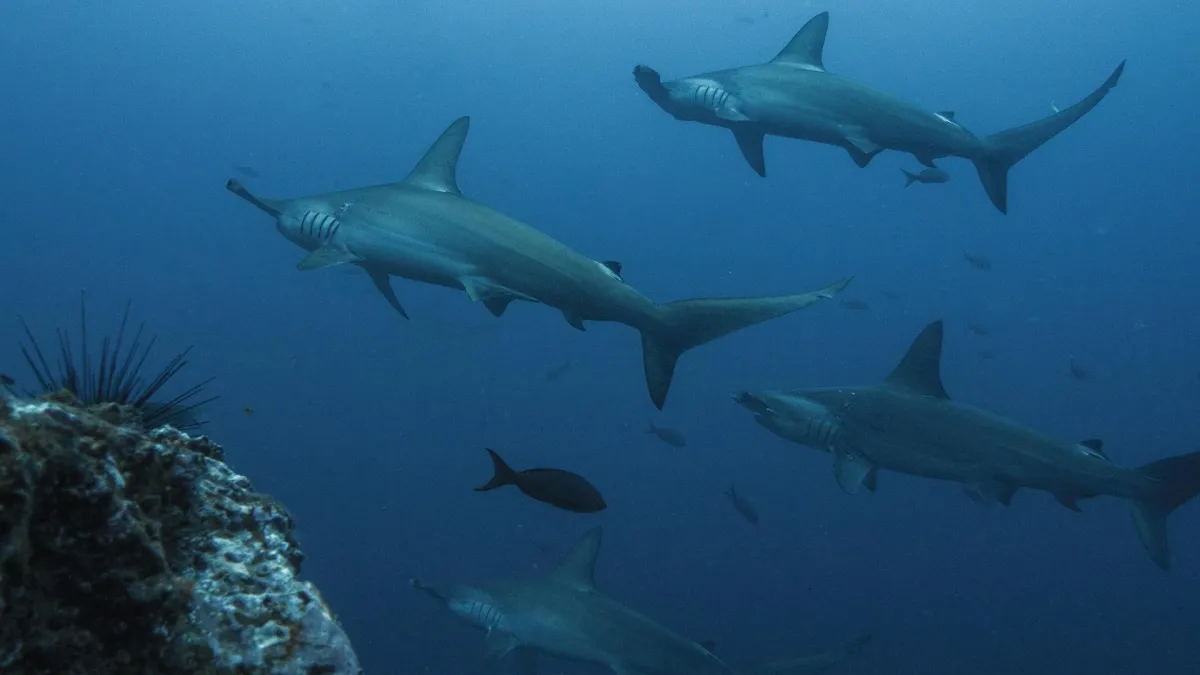
Transitional cruises connecting these regions offer diverse diving including schooling hammerhead sharks in the Banda Sea and Raja Ampat's reef biodiversity.
Komodo & Raja Ampat
Some vessels operate seasonally in both destinations, allowing you to experience Indonesia's two premier diving areas.
Cenderawasih Bay Alternative
During Raja Ampat's monsoon season (July-September), Cenderawasih Bay provides sheltered diving with reliable whale shark encounters.
Book Your Raja Ampat Liveaboard Adventure
Ready to experience the world's most biodiverse marine ecosystem? Raja Ampat liveaboard diving delivers unmatched underwater encounters, from manta rays gliding overhead to pygmy seahorses hiding in soft corals. Whether you're seeking your first liveaboard adventure or returning to explore new sites, Raja Ampat offers diving that exceeds even the highest expectations.
Contact Reef Voyager today to discuss Raja Ampat liveaboard options perfectly matched to your experience level, budget, and diving preferences. Our experts know the boats, crews, and dive sites intimately and can help you choose the ideal vessel for your ultimate Indonesian diving adventure.
FAQ: Raja Ampat Liveaboard Diving
What is the best month to dive Raja Ampat on a liveaboard?
October through April offers the best conditions with calm seas, excellent visibility, and access to all regions including Misool. November is often considered ideal for manta ray encounters.
How many dives can I expect on a Raja Ampat liveaboard?
Most trips offer 3-4 dives daily. A 7-night trip averages 22 dives, while 10-night expeditions provide approximately 33 dives including night dives.
Do I need to be an advanced diver for Raja Ampat liveaboards?
Most liveaboards require Advanced Open Water with 20+ dives or Open Water with 40+ dives. Some sites feature strong currents, but guides select appropriate locations for all experience levels.
Can non-divers join Raja Ampat liveaboards?
Yes, many liveaboards accommodate snorkelers and non-divers with alternative activities including kayaking, island visits, and wildlife watching.
Is Raja Ampat suitable for underwater photography?
Absolutely. Raja Ampat offers exceptional opportunities for both macro and wide-angle photography with incredible subject diversity, clear water, and numerous photogenic encounters.
How do I get to my Raja Ampat liveaboard?
Fly to Sorong via Jakarta or Makassar. Most liveaboards depart from Sorong with transfers included. Arrive at least one day early to account for flight schedules.
What marine life will I see in Raja Ampat?
Expect manta rays, multiple shark species, whale sharks (seasonal), pygmy seahorses, nudibranchs, schools of barracuda and trevallies, turtles, and over 1,500 fish species.
Are Raja Ampat liveaboards safe?
Reputable operators maintain high safety standards with experienced crews, comprehensive dive briefings, current checks before dives, and appropriate guide-to-diver ratios.
Can I dive Raja Ampat year-round?
Northern sites are accessible year-round. Southern areas like Misool are best October-April due to monsoon conditions May-September.
🚤 Our Liveaboards
At Reef Voyager, we partner with a select fleet of trusted liveaboard vessels to bring you safe, comfortable, and unforgettable diving adventures across Indonesia. Each boat is designed with divers in mind — offering modern facilities, professional dive services, and cozy cabins for the perfect balance of adventure and relaxation.
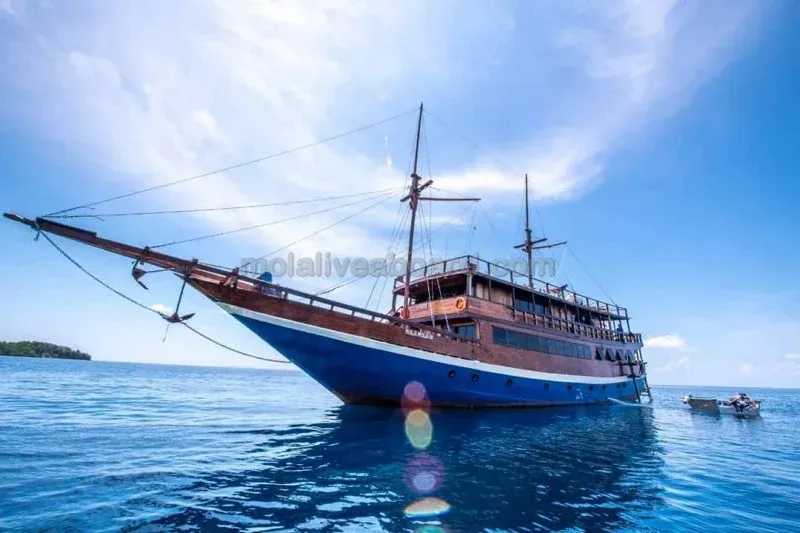

Mola Mola 1 Liveaboard
Built: 2018
Deck Length: 107 ft (32.5m)
Capacity: 8 cabin | 16 guests
Features: AC, ensuite bathroom, Nitrox available, free internet.
Why choose Mola Mola 1? A modern vessel combining comfort and functionality — perfect for divers who want convenience + reliability on their Raja Ampat, Komodo, or Banda Sea trips.
Mola Mola 2 Liveaboard
Built: 2020
Deck Length: 144 ft (44m)
Capacity: 9 cabin | 20 guests
Features: AC, ensuite bathroom, Nitrox available, free internet.
Why choose Mola Mola 2? Spacious and stylish, this vessel is designed for groups or divers seeking a social yet comfortable experience in Indonesia’s best dive spots.
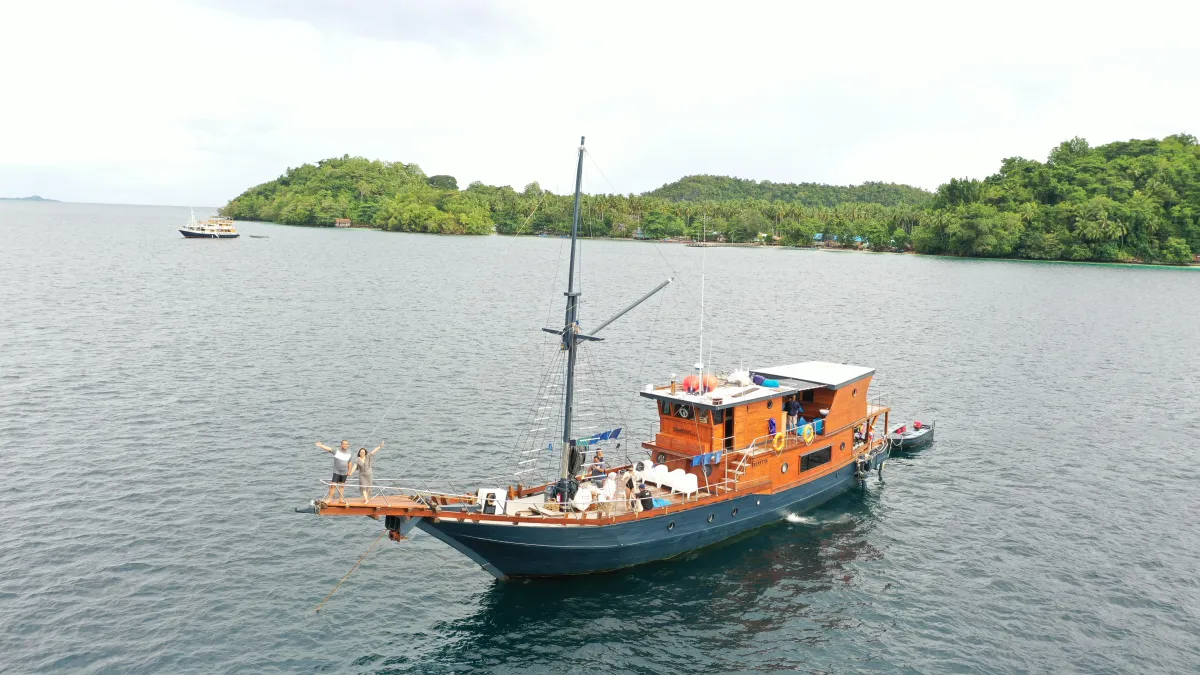
Benetta Liveaboard
Built: 2016 | Renovated: 2022
Capacity: 4 cabin | up to 10 guests
Features: AC, ensuite bathroom.
Why choose Benetta? With its intimate size and fresh renovations, Benetta is ideal for small groups or families looking for a private, boutique-style liveaboard experience.
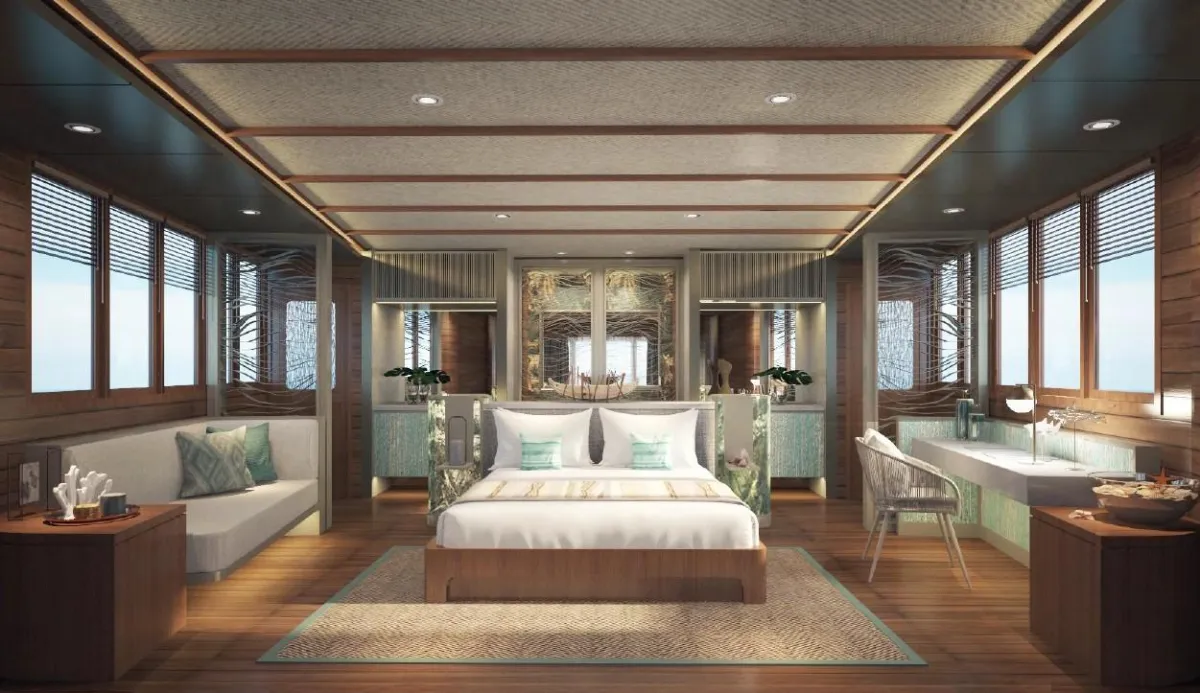
Maharani Liveaboard
Built: 2026
Capacity: 4 cabin | up to 10 guests
Features: AC, ensuite bathroom.
Why choose Maharani? As our newest liveaboard, Maharani offers a cozy and modern setting for divers who value privacy, exclusivity, and personalized service.
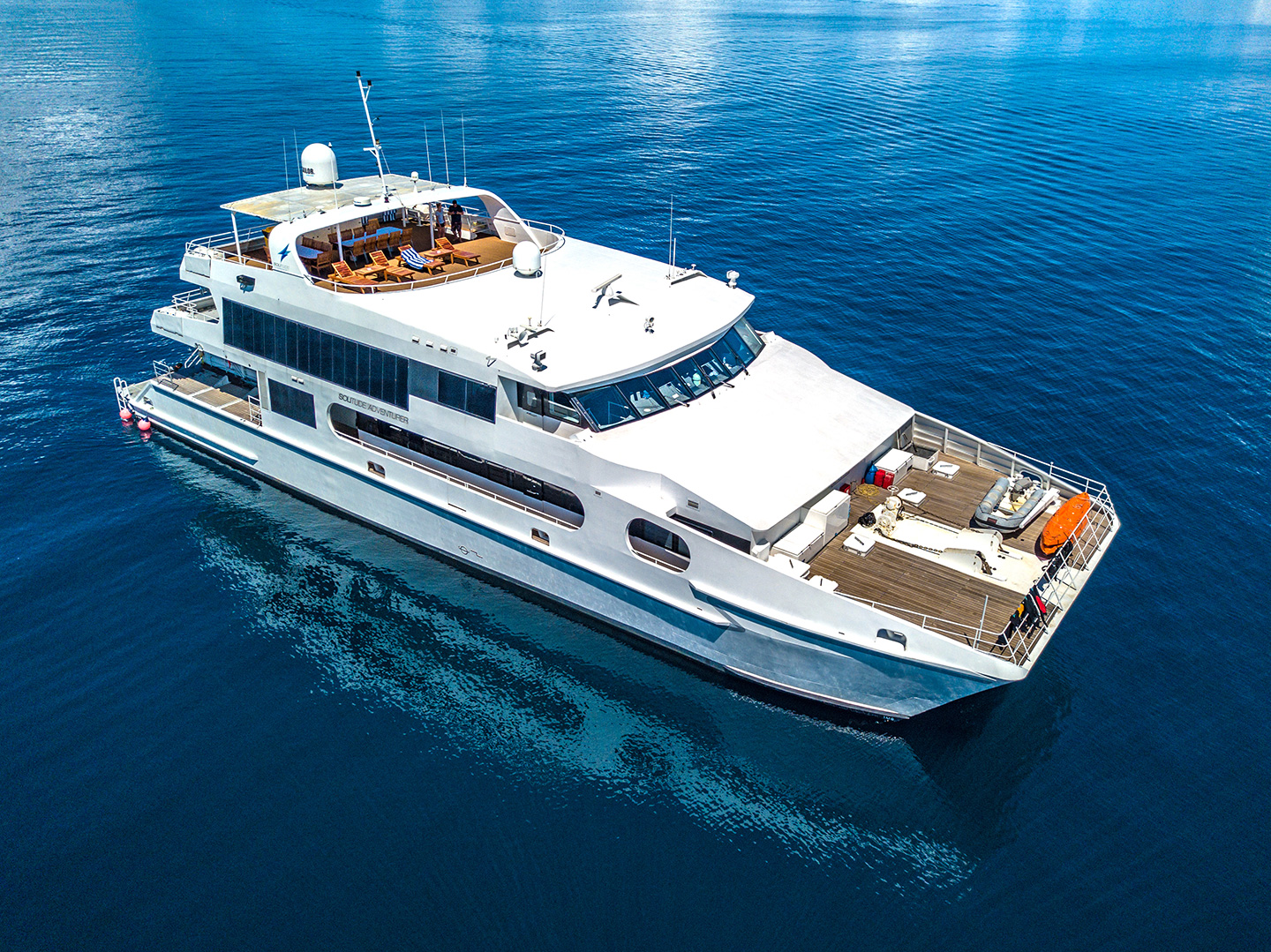
Solitude Adventurer
Built: 2000 | Renovated: 2017
Capacity: 9 cabin | up to 18 guests
Features: AC, ensuite bathroom.
Why choose Solitude Adventurer?
Solitude Adventurer is a proven, expedition-ready liveaboard renowned for its exceptional dive guiding, safety standards, and access to remote, pristine dive sites — making it an ideal choice for serious divers seeking high-quality underwater adventures in Indonesia.
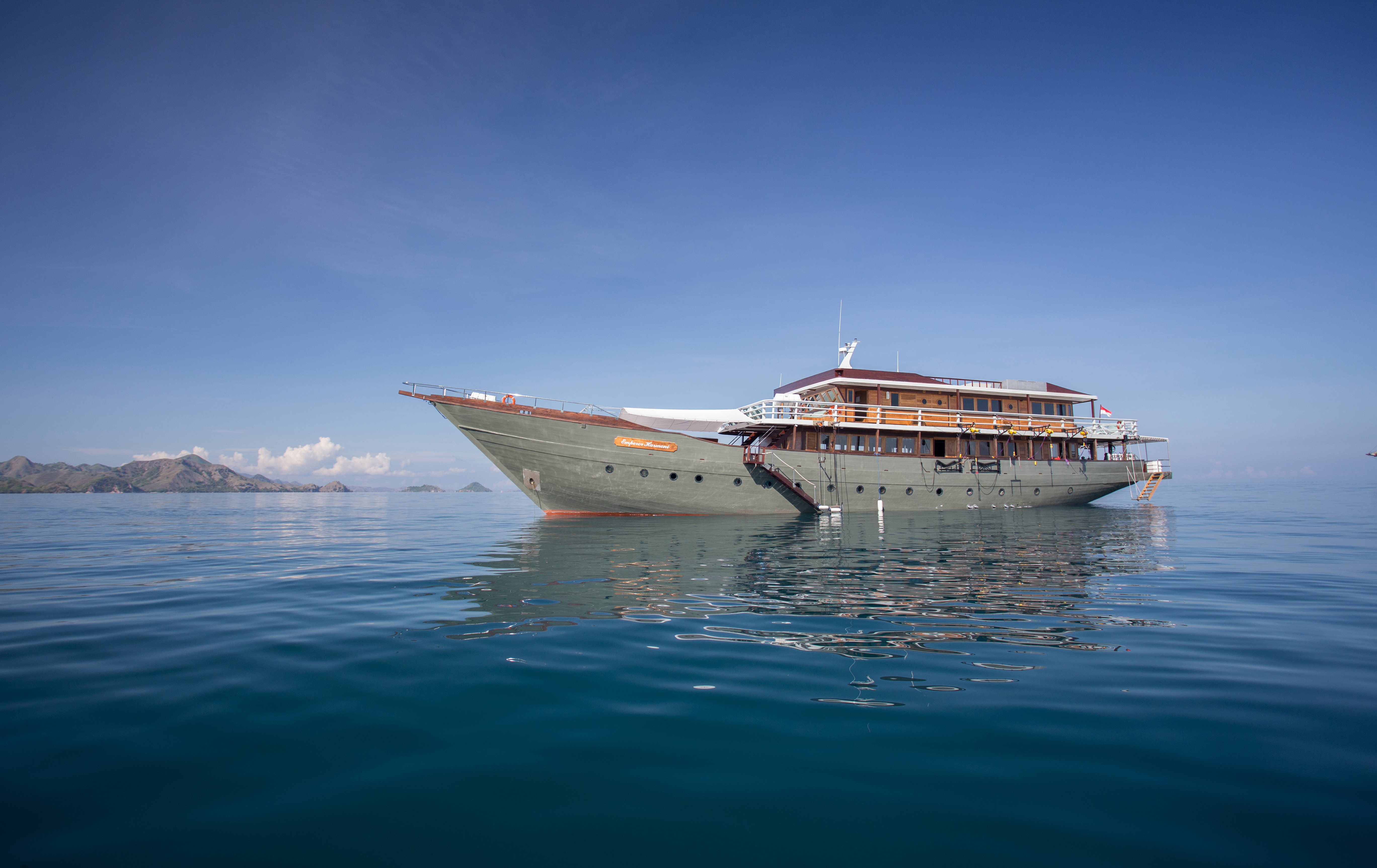
Emperor Harmoni
Built: 2022
Capacity: 12 cabin | up to 24 guests
Features: AC, ensuite bathroom, Wifi, Nitrox.
Why choose Emperor Harmoni?
Emperor Harmoni is a modern liveaboard built in 2022, offering divers a perfect blend of contemporary comfort, spacious design, and expertly run dive operations — ideal for exploring Indonesia’s most spectacular and remote dive destinations in style and ease..
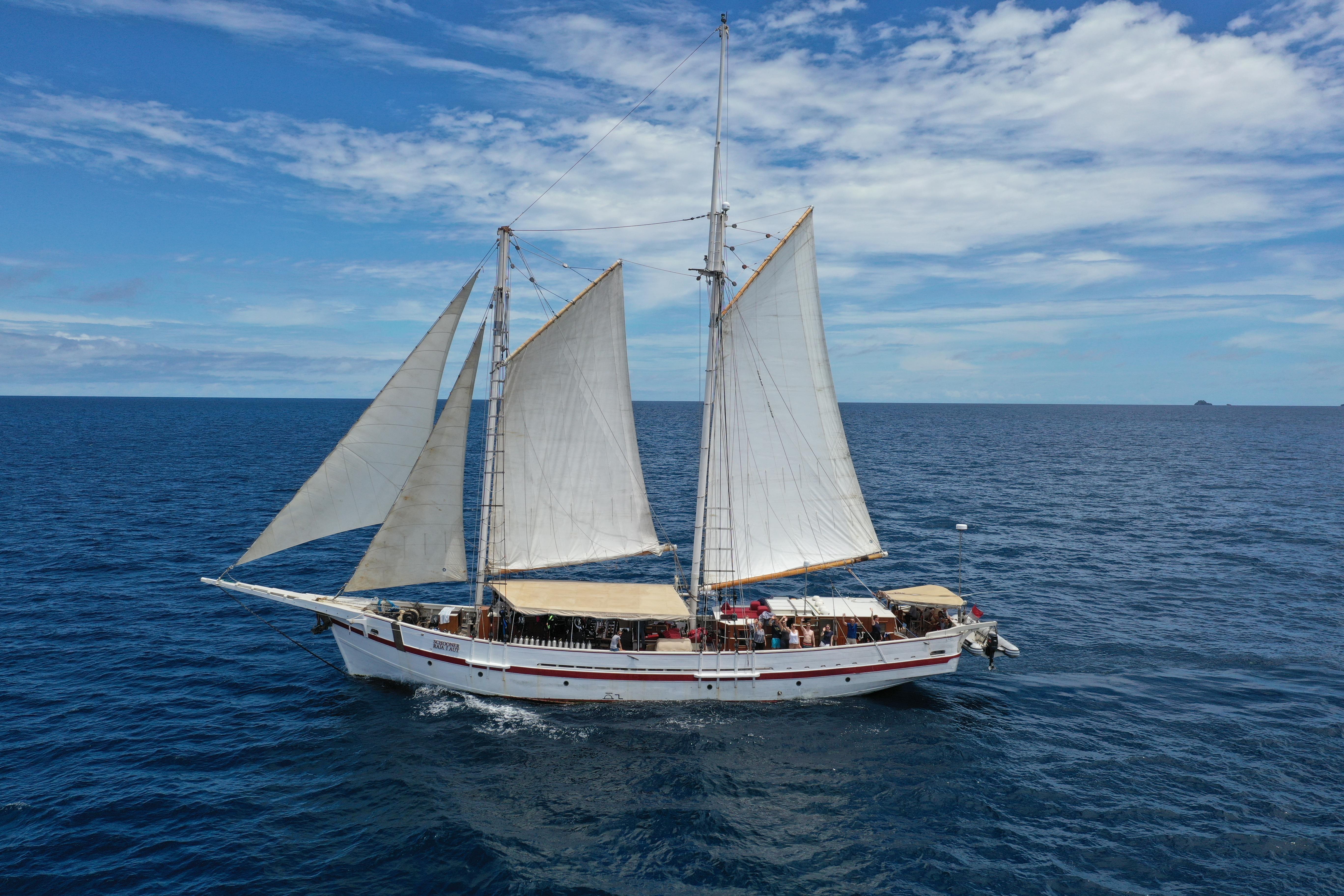
Raja Laut
Built: 2022
Capacity: 6 cabin | up to 12 guests
Features: AC, ensuite bathroom, Nitrox.
Why choose Raja Laut?
Emperor Raja Laut; a ‘schooner style’ inspired yacht built from tropical hardwood with fine accommodation for 12 guests in 6 cabins (3 double bed cabins, 3 twin bed cabins), each with ensuite, individually controlled air-conditioning and fan.
Get the Latest Liveaboard Updates
Subscribe to our newsletter to receive the latest liveaboard information and exclusive offers.


